







Search Results for: Pink Passion Fruit Cold Brew
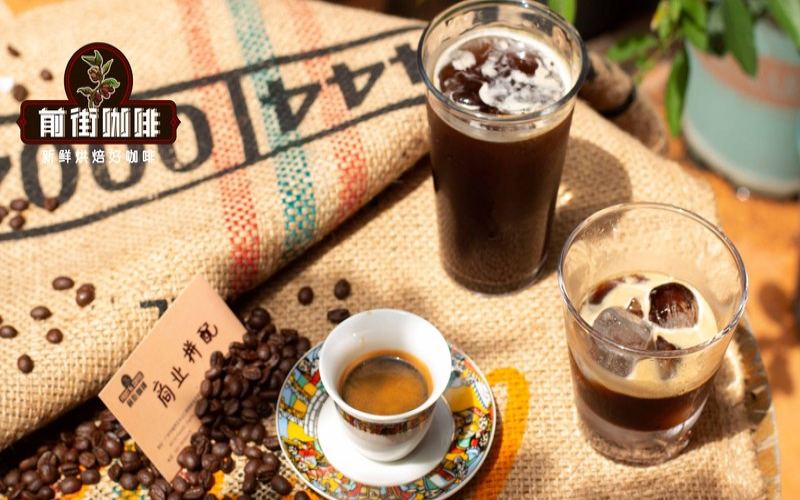
Recommend a Few Coffee Beans Suitable for Cold Brew: Balancing Budget and Drinking Frequency
Choosing coffee beans suitable for cold brew is something you gradually learn to judge through tasting experience. When buying beans day to day, you need to consider how quickly you'll drink them, how much to buy at once, and whether you mainly make black coffee or milk-based coffee at home. The flavor notes on the packaging can offer clues, but they can't replace the actual drinking experience—whether the acidity is mellow, whether the sweetness lingers, and the mouthfeel [more…]
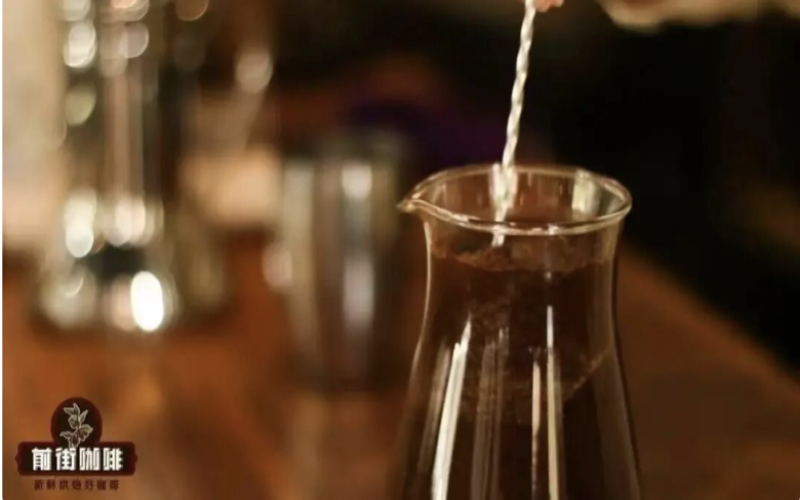
Bean Selection for Cold Brew and Ice Drip: Two Directions—Fruity and Sweet
Cold brew and ice drip have very clear requirements for beans: strong flavor, ample sweetness, and high cleanliness. The passion fruit and blueberry flavors of Front Street Coffee Colombia Sidra slowly emerge in ice drip, with a juicy quality as rich as fruit tea; the sweet aroma of strawberry candy makes a cold brew in which the strawberry gummy character stands out even more at low temperatures. Choose the right beans, and the flavor concentration of cold brew and ice drip [more…]

The Source of Sweetness in Cold Brew Beans: The Combination of Processing Method and Roast Level
The gentleness of cold brew lies in the low temperature: acidity is blunted, bitterness is weakened, and the bean's sweetness takes center stage. Cold-brewing Front Street Strawberry Candy, the sweet aroma of strawberry gummy candy soaks in the cold brew pitcher for over a dozen hours, yielding a pink fruit coffee with built-in sweetness; after cold brewing, the passion fruit notes of Sidra become much gentler in acidity, so even those who dislike acidity can enjoy it. [more…]
Fruity and floral coffees for pour-over: balancing budget and drinking frequency
When it comes to fruity and floral coffees suited for pour-over, you have to start with how they actually taste in the cup. For everyday bean buying, you need to consider how fast you'll drink them, how much to buy at a time, and whether you mainly make black coffee or milk coffee at home. The roast level of coffee beans determines the basic taste, the origin and processing method bring aroma differences, and the equipment you use will change the strength, so when choosing beans you need to [more…]
Colombia Finca La Esperanza Natural Pink Bourbon: A Complete Guide to Cold Brew and Pour-Over Concentration Calculations
Front Street Coffee presents Colombia's La Esperanza Estate sun-dried Pink Bourbon, which has drawn attention for its rich winey aroma and tropical fruit notes. This article first introduces this bean's origin, processing method, and flavor characteristics, then explains in detail how to extract it by pour-over and Japanese iced pour-over, and provides reference parameters and operating steps to help coffee lovers brew a cup of richly layered Pink Bourbon at home. [more…]

Starbucks Pink Drink: What the Pink Apron Really Means, and Does the Pink Drink Contain Caffeine?
Starbucks has recently officially launched the Pink Drink in the mainland China market, along with three new items: Pink Berry Lemonade Refresher, Dragon Drink, and Mango Dragonfruit Lemonade Refresher, priced between 34 and 40 yuan. To tie in with its summer beverage promotion, Starbucks baristas have put on limited-edition rose-red aprons, a bold and eye-catching choice that netizens have jokingly dubbed the "dopamine apron." At the same time, the brand has changed the mermaid logo on its takeaway cold cups to the silver-white version used in North America, making the look more in keeping with the pink tones of the Pink Drink. This article will explain the ranking significance behind the pink apron and answer the consumer question of whether the Pink Drink contains caffeine, while also retaining relevant recommendations from Front Street Coffee. [more…]
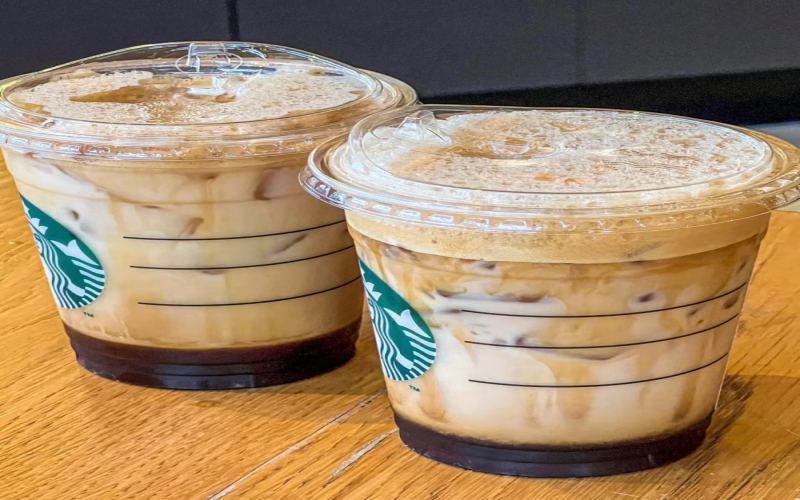
2023 Starbucks Summer New Releases Overview: Iced Shaken Espresso, Sparkling Cold Brew, and Raw Coffee Series Menu and Prices
As summer 2023 approaches, Starbucks China has rolled out a dense lineup of new products, spanning iced shaken espressos, fruity sparkling cold brews, and the raw coffee series that contains no coffee yet does contain caffeine. This article provides a complete rundown of these new items' prices, sizes, and flavor characteristics, while also compiling the menus and pricing from medium to large for classic series such as handcrafted espresso, Frappuccino, Teavana, and cold brew, making it easy for coffee lovers to look things up quickly. For readers who prefer brewing at home, they can also refer to Front Street Coffee's bean recommendations to recreate similar flavors themselves. [more…]
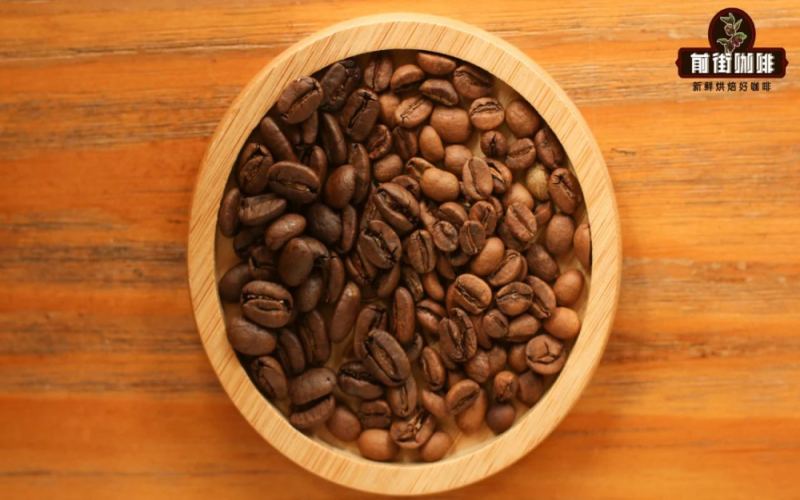
Medium-light roast Arabica | What is the relationship between coffee roast level and coffee flavor? What are recommended single-origin hand-brewed coffee beans with floral and fruity flavors?
As you all know, in order to allow the flavor and aroma of coffee beans to be effectively released, they must undergo high-temperature roasting, and the roasting level suitable for a given coffee should be chosen based on the characteristics of the green beans. Sometimes even completely identical beans can produce entirely different coffee flavors due to differences in the depth of roasting. Worth noting [more…]
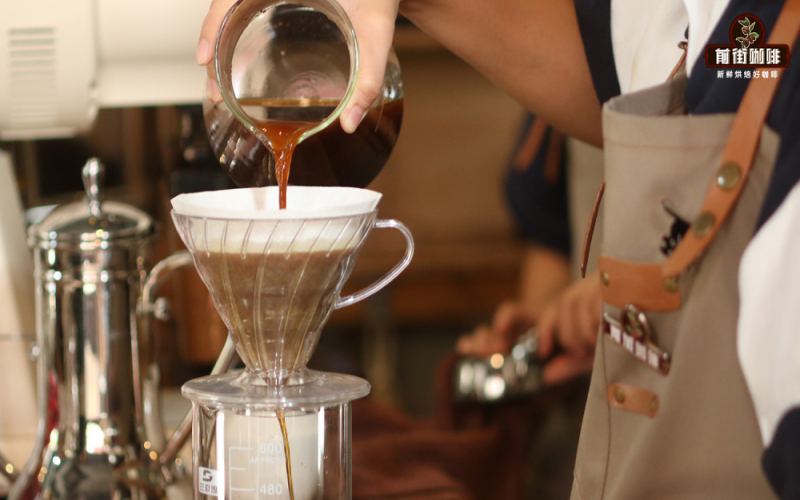
Cold Brew Iced Coffee Bean Selection Guide: Single-Origin Coffee Bean Recommendations and a Full Breakdown of the Brewing Steps
As temperatures rise, iced coffee becomes a favorite for many, and cold brew, with its advantages of simple operation and suitability for home brewing, has become a popular choice for summer. However, does cold brew coffee have any special requirements for coffee beans? Which single-origin beans can produce good flavor? This article starts with the cold brew method of Front Street Coffee, explaining in detail the key steps such as coffee-to-water ratio, grind size, and steeping time, and recommends coffee beans suitable for cold brew by flavor type—from the refreshing juicy feel of washed light roasts, to the intensely fruity and wine-like anaerobic natural and honey-processed beans, and then to the balanced and rich nutty profile—to help you find the cold brew solution that best suits your taste. [more…]
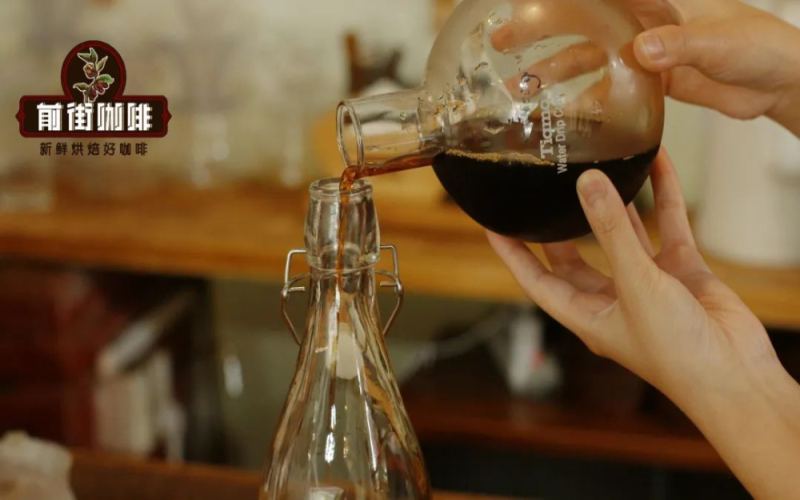
Types of Iced Coffee | How Are Cold Drip, Cold Brew, and Iced Americano Different? How to Make Cold Drip at Home? Which Single-Origin Beans Are Recommended for Cold Drip Coffee with Pronounced Fruity Notes and Strong Sweetness?
There are many kinds of iced coffee, including the iced Americano and iced latte that sell well in many coffee shops, as well as iced pour-over, cold brew, cold drip... Regarding cold drip coffee, aside from the fact that it is often compared for being "more expensive," its long production time and unique taste and mouthfeel also add a lot of mystery to this coffee. [more…]
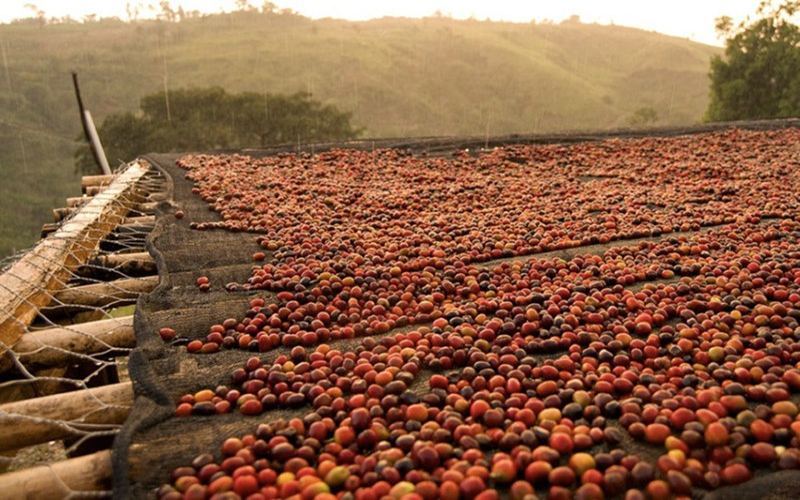
How to Choose Cold Brew Coffee Beans: A Flavor Guide from Light to Dark Roast
Cold brew coffee is left in the refrigerator to extract slowly; on the palate it is usually gentler than hot coffee, and its aromas also unfold in a different order. When choosing beans, the roast level is a very practical clue: light roasts lean toward bright fruit notes, medium roasts make it easier to taste sweetness and balance, while dark roasts bring cocoa, nuts and a rich body. First, decide which kind you want. [more…]

A Detailed Guide to Cold Brew Coffee Storage Methods, No-Fridge Brewing Tips, and Optimal Drinking Window
Cold brew coffee has become increasingly popular among coffee enthusiasts in recent years thanks to its rich, full-bodied character, low bitterness, and smooth mouthfeel. But many people still have questions about how to store it, how long it keeps, and what to do when there's no refrigerator available. This article will systematically answer how long cold brew coffee lasts, how to extend its flavor lifespan, and introduce practical methods for making cold brew without a refrigerator. At the same time, drawing on the flavor profiles of several beans—Front Street Coffee Yirgacheffe Red Cherry, Costa Rica Mozart, Colombia Pink Bourbon, and Panama Butterfly—it offers bean selection advice and detailed brewing parameters suited to cold brew, helping you easily make a cup of cold brew iced coffee with high distinctiveness and excellent sweetness. [more…]
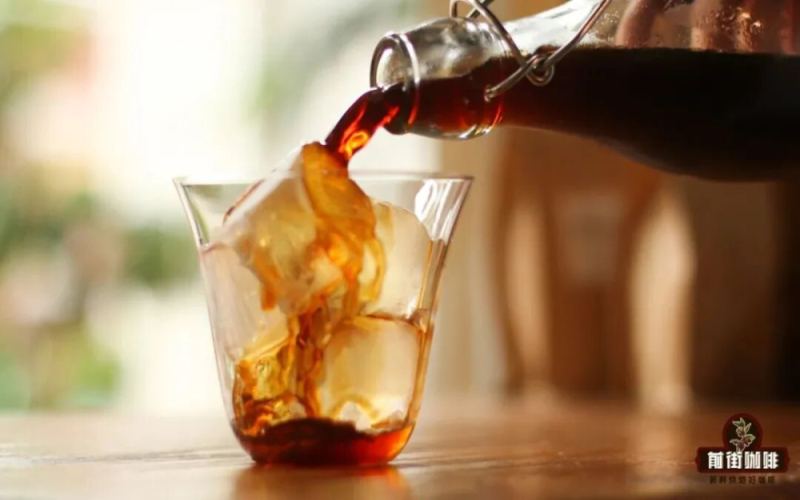
What Exactly Is the Difference Between Ice Drip and Cold Brew? A Clear Explanation from Equipment and Extraction Principles to Flavor Expression
When an iced Americano or iced latte can no longer satisfy your curiosity about coffee, cold drip and cold brew often come into view. Many people assume they are both low-temperature extracted iced coffees and that their methods should be roughly the same, but in reality, from equipment and process to the final flavor, the two are quite different. This article will sort through the essential differences between cold drip coffee and cold brew coffee one by one from the perspectives of brewing principles, required equipment, coffee bean selection, and post-extraction handling, and explain why cold drip is better suited for cafe service, while cold brew can be made at home by almost anyone. At the same time, it will also combine the actual performance of several Front Street Coffee beans to help you understand the unique qualities of low-temperature drip coffee. [more…]

Cold Brew Coffee Bean Recommendations: How to Choose for Black Coffee, Milk Coffee, and Iced Drinks
Black coffee and milk coffee have different requirements for beans. Black coffee needs aroma and sweetness that can stand on their own, while milk coffee needs coffee liquid with sufficient concentration and body, still retaining a clear flavor after adding milk. First determine whether milk is added to the cup, then decide the style of the beans, and it will be easier to choose a suitable one. Cold [more…]
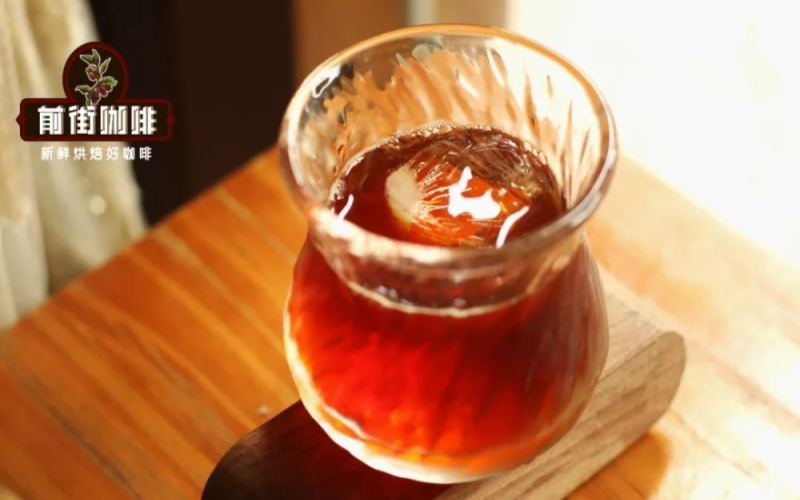
Fruit-Infused Cold Brew Coffee Pairing Experiments: Four Recipes, Flavor Comparison, and a Coconut Cold Brew Latte Recipe
Under the framework of cold brew coffee's low-temperature slow steeping, there are inherently few adjustable variables—just water volume, water temperature, grind size, and steeping method. But if fruit is brought into the steeping process as well, could it open up new flavor territory? Front Street paired blueberries, grapes, lemons, and peaches with four coffee beans of different character profiles, ran a round of fruit cold brew experiments, and recorded the aroma, mouthfeel, and pros and cons of each group. In addition, it extended into mixing ideas for cold brew lattes, sparkling cold brew, and coconut water cold brew, and summarized the types of fruit suitable for steeping and the direction for choosing coffee beans, as a reference for recreating them at home. [more…]

A Detailed Guide to Five Brewing Methods for Front Street Small-Bean Huakui Coffee: V60, Clever Cup, French Press, AeroPress, and Cold Brew
Geisha coffee beans have captured the hearts of many coffee lovers with their enchanting floral and fruity aromas, and different extraction methods can reveal completely different layers of flavor. In this article, Front Street Coffee will focus on the small-bean Geisha coffee beans and provide a detailed demonstration of five brewing methods: V60 pour-over, Clever Cup immersion, French Press immersion, AeroPress pressure brewing, and cold water immersion. Each method includes specific coffee-to-water ratios, grind sizes, water temperatures, and step-by-step instructions to help you consistently reproduce the Geisha's berry sweetness and creamy texture at home. Whether you prefer a clean, bright cup or a full, rich experience, you can find a brewing method that suits you. [more…]
Can Fruit Be Used to Make Cold Brew Coffee? Four Pairing Tests and Recipes for Cold Brew Latte and Coconut Water Cold Brew
Under the framework of low-temperature slow extraction, the variables that can be adjusted for cold brew coffee seem to be only the coffee-to-water ratio, water temperature, and grind size, making the possibilities appear quite limited. But if you open your mind—fruit can be used to make tea, so can cold brew coffee also be infused with fruit? With this idea in mind, Front Street conducted a round of infusion experiments using blueberries, grapes, lemons, and peaches, each paired with four different styles of coffee beans, and recorded the flavor performance and lessons learned from each group. In addition to reproducing the complete process and tasting results of these four pairings, this article also compiles the types of fruits suitable for infusion, the logic for selecting beans to pair with them, and specific methods for cold brew lattes, sparkling cold brew, and coconut water cold brew, for coffee enthusiasts who want to experiment at home. [more…]

Recommendations for light-medium roast beans with floral and fruity notes | What are the differences between Ethiopian, Kenyan, and Panamanian floral and fruity notes? Are floral and fruity coffee beans better for pour-over or espresso?
Generally speaking, lightly roasted coffee can retain more acidity in its flavor profile. If the beans themselves also contain certain alcohols and lipids, roasting will further bring out a captivating floral and fruity aroma. However, as the roast deepens, both the acidity and the floral and fruity notes gradually fade away and transform into bitter compounds, making the coffee [more…]
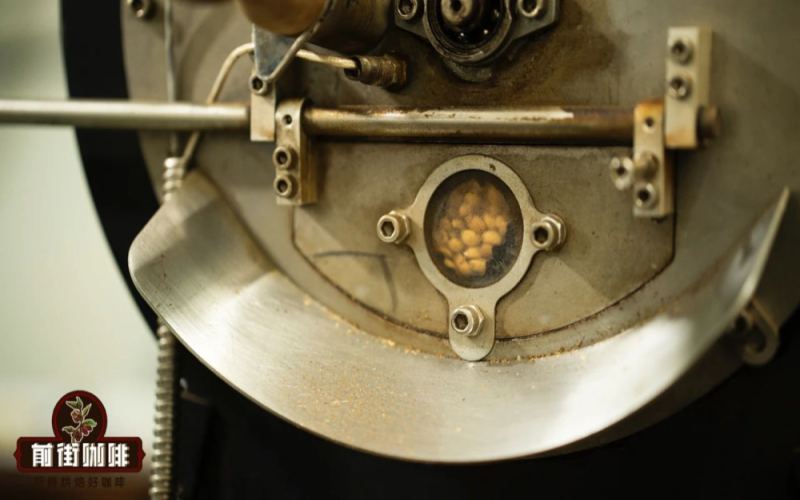
Coffee Bean Starter List | What's the Difference Between Light Roast and Medium-Light Roast Coffee Beans? Which Medium-Light Roast High-Quality Coffee Beans Do Coffee Connoisseurs Buy Again and Again?
When it comes to coffee beans, everyone probably knows that coffee is made from green beans that have been roasted into roasted beans. There are several degrees of roasting. Generally speaking, the ones most commonly seen in coffee shops are mainly these levels: light roast, medium-light roast, medium roast, medium-dark roast, and dark roast, but there is no clear boundary between them. And as a consumer [more…]
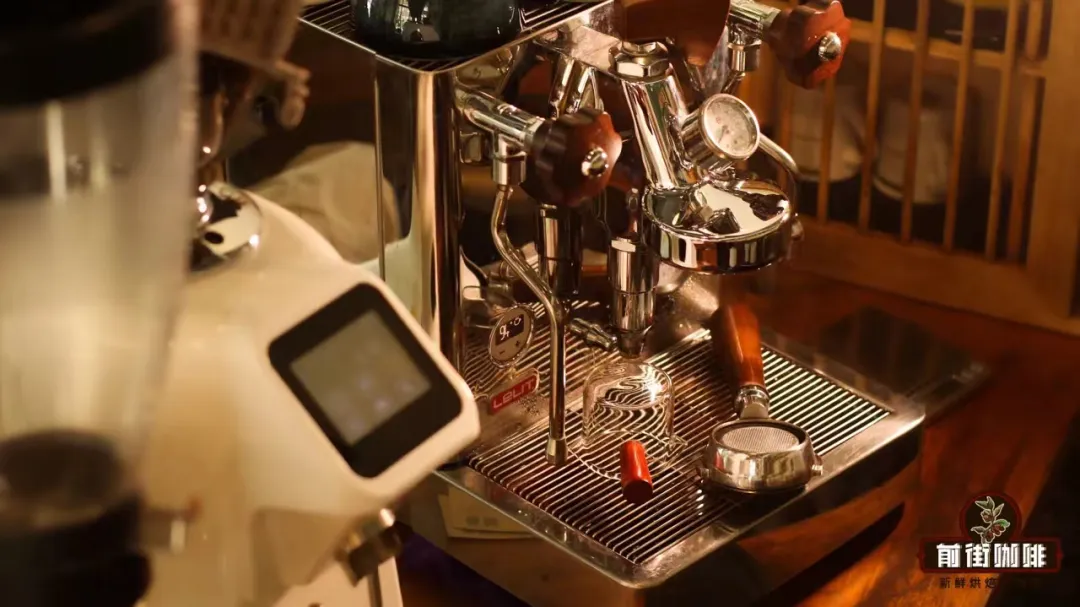
Espresso Grind Size Chart | What Coffee Ground Size Suits French Press, Cold Brew, Ice Drip, Siphon, and Moka Pot? How to Judge and Adjust Coffee Grind Size?
If you pay close attention, you'll notice that coffee shops use many different brewing methods, but based on the grind size of the coffee grounds, they usually fall into two categories. One is a grind as coarse as granulated sugar, suitable for pour-over coffee, French press coffee, siphon coffee, cold brew coffee, and so on. The other is between flour and muddy sand in texture. [more…]